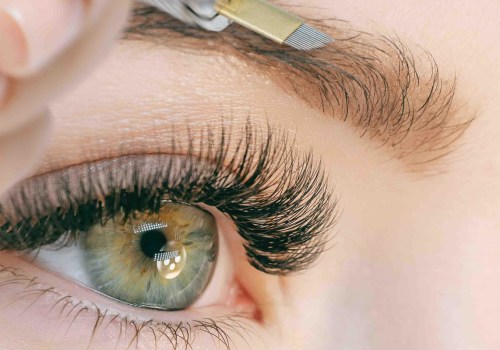
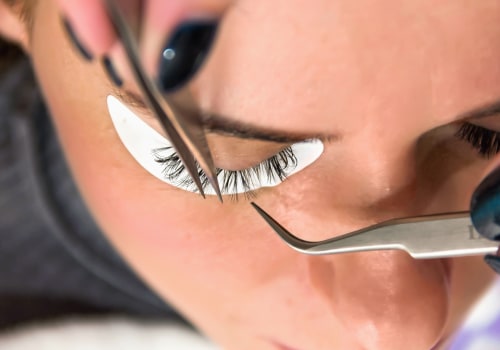
Planning salon visits around cosmetic procedures requires attention to timing, healing, and the type of treatment being performed. Hair coloring, styling, facials, waxing, lash services, and nail appointments can all involve products, positioning, or physical contact that may be uncomfortable or inappropriate immediately before or after a procedure. Scheduling too many beauty services close together can also make it harder to determine which treatment caused irritation if a reaction occurs. A thoughtful schedule gives the skin and body enough time to recover while still allowing individuals to maintain their usual grooming routine.
Considering the Type of Cosmetic Procedure
The amount of planning needed often depends on whether the cosmetic treatment is surgical or nonsurgical. Injectables, laser treatments, chemical peels, and other minimally invasive procedures may require only a short period of downtime, while facial surgery or body procedures can involve longer recovery. Patients working with Weniger Plastic Surgery or another qualified provider should follow specific instructions about when it is safe to resume salon services. Recommendations may vary depending on swelling, incision placement, skin sensitivity, medications, and the area that has been treated.
Scheduling Hair Services Before Procedures
Hair appointments are often easier to complete before a cosmetic procedure, particularly when surgery involves the face, forehead, ears, neck, or scalp. Coloring, bleaching, straightening, or other chemical treatments can expose the skin to potentially irritating products. Salon visits may also require prolonged sitting, leaning backward into a wash basin, or pressure around the head and neck. Completing these services in advance can reduce the need to manage them during the early stages of recovery. However, patients should confirm how far in advance treatments should be scheduled.
Being Cautious With Facials and Skin Treatments
Facials, exfoliation, waxing, dermaplaning, and other skin services may need to be spaced carefully around cosmetic procedures. Treatments that exfoliate or irritate the skin can increase sensitivity before laser procedures, injections, or surgery. After treatment, the skin may temporarily be more vulnerable to redness, swelling, or infection. Using strong acids, retinoids, scrubs, or waxing too soon may interfere with healing. Providers can recommend an appropriate waiting period based on the specific procedure and the individual’s skin condition.
Avoiding Pressure on Healing Areas
Salon services sometimes require positions that can place pressure on areas recovering from cosmetic treatment. Hair washing may involve leaning the head backward, massages can place pressure on the face or body, and certain beauty treatments require lying flat for extended periods. After surgery, these positions may be uncomfortable or conflict with recovery instructions. Individuals should consider whether a salon appointment requires pressure, bending, or prolonged positioning near the treated area before deciding when to return.
Thinking About Infection Prevention
Any cosmetic procedure that creates incisions or temporarily disrupts the skin barrier requires extra attention to cleanliness. Salon environments involve shared surfaces, tools, water, products, and frequent contact with other people. Although professional salons generally follow sanitation practices, postponing unnecessary services during early healing may help reduce exposure to potential irritants or contaminants. Individuals should avoid applying unapproved products near incisions or treatment sites until their provider confirms that normal skincare and beauty routines can resume.
Planning Around Swelling and Sensitivity
Swelling, bruising, tenderness, and skin sensitivity are common after many cosmetic procedures. Even routine activities such as brushing hair, applying makeup, or receiving a facial may feel uncomfortable during this period. Waiting until swelling has improved can make salon visits more enjoyable and reduce the chance of accidentally irritating a healing area. It can also help stylists and beauty professionals work more comfortably without having to navigate sensitive tissue.
Communicating With Beauty Professionals
When returning to a salon, it may be useful to tell the stylist or beauty professional about any relevant restrictions without sharing unnecessary medical details. For example, clients can explain that certain areas should not be touched, massaged, heated, or exposed to particular products. Clear communication helps the salon professional adjust the service appropriately. If there is uncertainty about whether a specific treatment is safe, checking with the cosmetic provider first is usually the better approach.
Creating a Practical Beauty Schedule
Coordinating salon visits with cosmetic procedures can make recovery easier and reduce unnecessary discomfort. Whenever possible, routine grooming services can be completed before treatment, while more intensive salon procedures can be postponed until healing is well underway. Following professional aftercare instructions, protecting sensitive areas, and allowing adequate recovery time can help individuals return to their normal beauty routine safely while preserving the results of their cosmetic procedure.